Pleasanton Employer Defense Lawyer Thomas S. Carter protects companies facing wage claims, wrongful termination
suits, discrimination charges, and agency investigations under California's labor statutes. Response deadlines begin running
the day a complaint, demand letter, or agency notice reaches your desk, so early counsel preserves options that disappear
later.
Tri-Valley employers range from software and life sciences firms in Hacienda Business Park to retailers at Stoneridge and
restaurants along Main Street. All answer to strict state rules, and lawsuits are filed in Alameda County. Mr. Carter once ran
the legal department of a statewide company, so he defends each case with cost and continuity in mind.
Legal Defense Shaped Around Your Company's Operations
Overtime, Commission, and Classification Disputes
Pay disputes rank high among the costly claims Pleasanton companies face. The city relies on California's minimum wage instead of a local rate. However, hybrid staff who work from East Bay cities with higher local minimums may change the amount that business owners can be responsible for paying. Software sales teams add risk, since California Labor Code Section 2751 requires signed commission plans. Attorney Carter prepares PAGA, overtime, break, and classification defenses from your actual payroll and timekeeping data.Answering a Termination or Retaliation Lawsuit
An unlawful firing claim argues that a discharge broke California law, a public policy, or a promise made to the employee. Retaliation claims follow a similar path, alleging the decision punished protected conduct such as a safety complaint, a medical leave request, or a question about pay. Attorney Carter answers both with the documented record: performance reviews, written warnings, and the timing of each decision. Consistent records often decide whether a case ends early.Bias and Harassment Complaints Under FEHA
California's Fair Employment and Housing Act, known as FEHA, covers employers with five or more workers and goes beyond federal Title VII in several ways. Its harassment rules apply to companies with even one employee, and coworkers can be held personally liable for harassment they commit. Lawyer Carter defends claims based on race, religion, age, sex, disability, national origin, and similar protected traits, and he guides internal investigations so they withstand review.Keeping Client Lists and Source Code Out of a Competitor's Hands
When a departing employee takes customer data, code, or pricing models to a rival, California law still offers strong remedies, even though most noncompete clauses are void. The California Uniform Trade Secrets Act supports court orders and damages when confidential information is misused. Attorney Carter responds quickly to identify what left the company, preserve digital evidence, and pursue a demand letter, a restraining order, or a lawsuit.Which Workplace Claims Reach Tri-Valley Businesses Most Often?
Employers in Alameda County's Tri-Valley regularly see the following employment claims, each with its own deadlines and defenses: • Pay Practice Claims: Unpaid overtime pay, skipped meal periods, late rest breaks, off-the-clock work, and PAGA suits filed for coworkers • Termination Disputes: Accusations of an improper firing, forced resignation, or broken promise of job security • Bias and Harassment Charges: FEHA or Title VII complaints over protected traits, hostile work environments, or supervisor conduct • Protected Activity Retaliation: Claims tied to whistleblowing, leave requests, safety reports, or injury filings • Leave Law Conflicts: Disputes over CFRA leave, pregnancy leave, and state sick pay • Agreement Breaches: Fights over severance terms, confidentiality duties, commission plans, and executive compensation packages • Workplace Safety Citations: Cal/OSHA inspections, violation notices, and penalty appealsReducing Legal Risk Before an Employee Files
Compliance Reviews Shaped by In-House Experience
A compliance review finds gaps in pay practices, handbooks, and hiring steps before an employee's attorney does. Mr. Carter conducts the review through an outside General Counsel program, informed by his former role as a statewide company's chief legal officer. For Pleasanton businesses, the review covers California's Fair Chance Act on background checks, the expanded sick pay law, and required workplace notices. Written Agreements That Stand Up in a Dispute Clear written documents give an employer some of its strongest protection. Attorney Carter drafts and revises offer letters, handbooks, and hiring agreements so they track current California law, including the noncompete notice rules in Business and Professions Code Section 16600.1. He also checks arbitration agreements, severance releases, and commission plans for enforceability.How Do Employee Claims Move Through Alameda County?
Your First Moves After Notice Arrives
The first step once a worker's complaint has been filed is to preserve every relevant record, including email, texts, timecards, and personnel files. Managers should avoid discussing the complaint with the worker who raised it, since careless comments can support a retaliation theory. Mr. Carter issues a litigation hold, interviews key witnesses, and sets a response calendar.Handling CRD, EEOC, and Labor Commissioner Charges
Plenty of employee claims begin at an agency rather than in court. Lawyer Carter appears for businesses before the state CRD, the federal EEOC, and California's wage enforcement office, drafting position statements, producing documents, and seeking an early settlement when warranted.Building a Trial-Ready Defense
If a claim becomes a lawsuit, the case goes to Alameda County Superior Court, where juries have a reputation for favoring employees. Early preparation matters. Attorney Carter personally directs the employment litigation strategy, from written discovery and depositions to summary judgment motions and trial. A thorough pretrial record also strengthens any settlement talks.When a Negotiated Settlement Serves the Business
Settling is often the right choice when defense costs would exceed the realistic exposure at trial. Private mediation or binding arbitration keeps the outcome confidential and the timeline shorter. Attorney Carter weighs cost, precedent, and disruption before recommending any resolution, and he negotiates strong agreements.
Call (925) 262-9220
Employer Defense & Business Law Attorney










Serving Businesses in the East Bay and Tri-Valley area with Knowledgeable, Personalized Legal Guidance

Pleasanton and Tri-Valley Employment Lawsuit Defense | Employer Lawyer





The Law Offices of Thomas S. Carter, Inc.
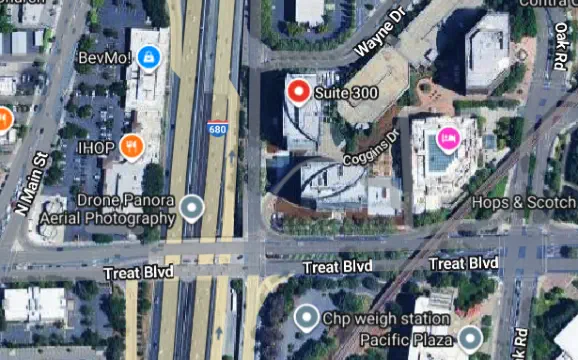
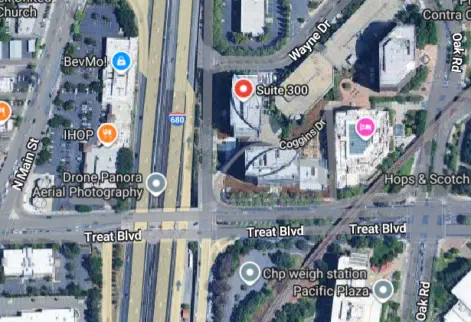
2950 Buskirk Ave. Suite 300
Walnut Creek, CA 94597
Phone: (925) 262-9220 email: tom@tscarterlaw.com
Disclaimer:
The information contained herein is for information purposes only and should not be construed as legal advice. You should not
act or fail to act based on the information on this website. The content contains general information only, and may not reflect
recent changes to the law. All cases differ. Please contact an attorney in your area to get legal advice as it pertains to your case.
© Copyright - The Law Office of Thomas S. Carter


Contact Pleasanton Employer Defense Attorney Thomas Carter
An employee claim does not have to derail a growing Pleasanton business. Mr. Carter works with employers throughout the Tri-Valley and the wider East Bay, from startups with a dozen workers to established companies with several hundred. Whether you have received a demand letter, an agency charge, or a filed lawsuit, he will review the facts and explain your options in plain terms. Reach the firm today at (925) 262-9220. You can also submit a case evaluation online to set up a private, no-cost consultation.


Pleasanton Employer Defense Lawyer
Thomas S. Carter protects companies
facing wage claims, wrongful termination
suits, discrimination charges, and agency
investigations under California's labor
statutes. Response deadlines begin running
the day a complaint, demand letter, or
agency notice reaches your desk, so early
counsel preserves options that disappear
later.
Tri-Valley employers range from software
and life sciences firms in Hacienda Business
Park to retailers at Stoneridge and
restaurants along Main Street. All answer to
strict state rules, and lawsuits are filed in
Alameda County. Mr. Carter once ran the
legal department of a statewide company,
so he defends each case with cost and
continuity in mind.
Legal Defense Shaped Around
Your Company's Operations
Overtime, Commission, and
Classification Disputes
Pay disputes rank high among the costly claims Pleasanton companies face. The city relies on California's minimum wage instead of a local rate. However, hybrid staff who work from East Bay cities with higher local minimums may change the amount that business owners can be responsible for paying. Software sales teams add risk, since California Labor Code Section 2751 requires signed commission plans. Attorney Carter prepares PAGA, overtime, break, and classification defenses from your actual payroll and timekeeping data.Answering a Termination or
Retaliation Lawsuit
An unlawful firing claim argues that a discharge broke California law, a public policy, or a promise made to the employee. Retaliation claims follow a similar path, alleging the decision punished protected conduct such as a safety complaint, a medical leave request, or a question about pay. Attorney Carter answers both with the documented record: performance reviews, written warnings, and the timing of each decision. Consistent records often decide whether a case ends early.Bias and Harassment Complaints
Under FEHA
California's Fair Employment and Housing Act, known as FEHA, covers employers with five or more workers and goes beyond federal Title VII in several ways. Its harassment rules apply to companies with even one employee, and coworkers can be held personally liable for harassment they commit. Lawyer Carter defends claims based on race, religion, age, sex, disability, national origin, and similar protected traits, and he guides internal investigations so they withstand review.Keeping Client Lists and Source
Code Out of a Competitor's Hands
When a departing employee takes customer data, code, or pricing models to a rival, California law still offers strong remedies, even though most noncompete clauses are void. The California Uniform Trade Secrets Act supports court orders and damages when confidential information is misused. Attorney Carter responds quickly to identify what left the company, preserve digital evidence, and pursue a demand letter, a restraining order, or a lawsuit.Which Workplace Claims Reach
Tri-Valley Businesses Most
Often?
Employers in Alameda County's Tri- Valley regularly see the following employment claims, each with its own deadlines and defenses: • Pay Practice Claims: Unpaid overtime pay, skipped meal periods, late rest breaks, off-the-clock work, and PAGA suits filed for coworkers • Termination Disputes: Accusations of an improper firing, forced resignation, or broken promise of job security • Bias and Harassment Charges: FEHA or Title VII complaints over protected traits, hostile work environments, or supervisor conduct • Protected Activity Retaliation: Claims tied to whistleblowing, leave requests, safety reports, or injury filings • Leave Law Conflicts: Disputes over CFRA leave, pregnancy leave, and state sick pay • Agreement Breaches: Fights over severance terms, confidentiality duties, commission plans, and executive compensation packages • Workplace Safety Citations: Cal/OSHA inspections, violation notices, and penalty appealsReducing Legal Risk Before an
Employee Files
Compliance Reviews Shaped by In-
House Experience
A compliance review finds gaps in pay practices, handbooks, and hiring steps before an employee's attorney does. Mr. Carter conducts the review through an outside General Counsel program, informed by his former role as a statewide company's chief legal officer. For Pleasanton businesses, the review covers California's Fair Chance Act on background checks, the expanded sick pay law, and required workplace notices.Written Agreements That Stand
Up in a Dispute
Clear written documents give an employer some of its strongest protection. Attorney Carter drafts and revises offer letters, handbooks, and hiring agreements so they track current California law, including the noncompete notice rules in Business and Professions Code Section 16600.1. He also checks arbitration agreements, severance releases, and commission plans for enforceability.How Do Employee Claims Move
Through Alameda County?
Your First Moves After Notice Arrives
The first step once a worker's complaint has been filed is to preserve every relevant record, including email, texts, timecards, and personnel files. Managers should avoid discussing the complaint with the worker who raised it, since careless comments can support a retaliation theory. Mr. Carter issues a litigation hold, interviews key witnesses, and sets a response calendar.Handling CRD, EEOC, and Labor
Commissioner Charges
Plenty of employee claims begin at an agency rather than in court. Lawyer Carter appears for businesses before the state CRD, the federal EEOC, and California's wage enforcement office, drafting position statements, producing documents, and seeking an early settlement when warranted.Building a Trial-Ready Defense
If a claim becomes a lawsuit, the case goes to Alameda County Superior Court, where juries have a reputation for favoring employees. Early preparation matters. Attorney Carter personally directs the employment litigation strategy, from written discovery and depositions to summary judgment motions and trial. A thorough pretrial record also strengthens any settlement talks.When a Negotiated Settlement
Serves the Business
Settling is often the right choice when defense costs would exceed the realistic exposure at trial. Private mediation or binding arbitration keeps the outcome confidential and the timeline shorter. Attorney Carter weighs cost, precedent, and disruption before recommending any resolution, and he negotiates strong agreements.Contact Pleasanton Employer
Defense Attorney Thomas
Carter
An employee claim does not have to derail a growing Pleasanton business. Mr. Carter works with employers throughout the Tri- Valley and the wider East Bay, from startups with a dozen workers to established companies with several hundred. Whether you have received a demand letter, an agency charge, or a filed lawsuit, he will review the facts and explain your options in plain terms. Reach the firm today at (925) 262-9220. You can also submit a case evaluation online to set up a private, no-cost consultation.
Pleasanton and Tri-Valley
Employment Lawsuit Defense |
Employer Lawyer

Disclaimer:
The information contained herein is for information
purposes only and should not be construed as legal
advice. You should not act or fail to act based on the
information on this website. The content contains general
information only, and may not reflect recent changes to
the law. All cases differ. Please contact an attorney in your
area to get legal advice as it pertains to your case.
© Copyright - The Law Office of Thomas S. Carter





Employer Defense
&
Business Law Attorney
The Law
Offices of
Thomas S. Carter,
Incorporated
Serving Businesses
in the East Bay and Tri-Valley area